
I. Introduction: Your First Line of Digital Defense
For any business, a website represents a significant investment, housing valuable data, customer information, and the entire brand identity. Leaving it unprotected is simply not an option. A security breach can lead to lost revenue, irreversible damage to your reputation, and legal consequences. That is why following Website security best practices is mandatory, not optional.
This comprehensive guide from Z Web&Co will detail the most important Website security best practices you need to implement immediately to shield your digital asset from threats, ensuring continuous operation and client trust.
II. Foundational Website security best practices
These practices form the base layer of protection, acting as the primary deterrent against most common cyber threats. Furthermore, these steps should be non-negotiable for every website owner.
A. Secure Hosting and SSL/HTTPS
- Hosting: Your website must be hosted on a secure, managed server environment that regularly performs server-side updates and monitors for threats. Cheap, unmanaged hosting often leaves your site vulnerable.
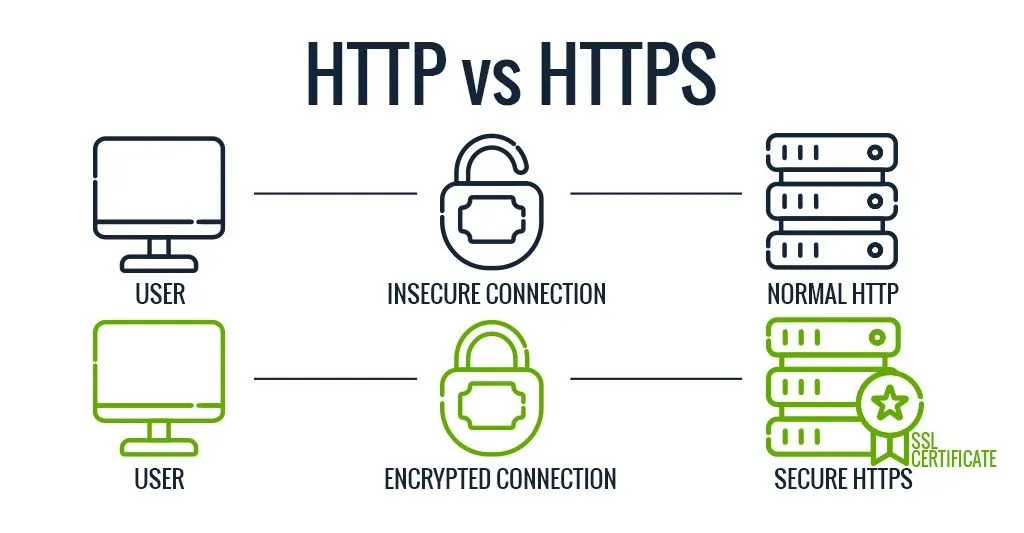
- SSL (Secure Sockets Layer): An active SSL certificate is required to encrypt data passing between your website and your visitor’s browser. Look for the padlock symbol and the HTTPS prefix—this is one of the most visible Website security best practices.
B. Use Strong Passwords and Two-Factor Authentication (2FA)
- Complexity: Simple passwords are the easiest way in for hackers. Always use long, unique passwords for your admin accounts, databases, and hosting control panel.
- Layered Security: Implement 2FA (or multi-factor authentication) wherever possible. Consequently, even if a password is compromised, the attacker still cannot access the system without a second device.

III. Maintenance and Prevention Practices
Security is an ongoing process, not a one-time setup. These best practices require routine effort to stay ahead of evolving threats and ensure longevity.
A. Regular Software Updates
- CMS and Plugins: If your site runs on a CMS (like WordPress or Joomla), you must update the core system, themes, and all plugins immediately when new versions are released. Updates often contain crucial security patches that close vulnerabilities.
- Removal: Delete any themes or plugins that are unused or outdated. These orphaned files can easily become security holes.
B. Implement a Robust Backup Strategy
- Disaster Recovery: The number one defense against ransomware, site hacks, or platform failure is a recent, reliable backup. You must have regular, automated backups of both your files and your database.
- Offsite Storage: Store backups on a separate, external location (the cloud or a different server). To illustrate, if your main server is compromised, your backups remain safe. Specifically, this is among the most essential Website security best practices.

IV. Advanced Monitoring and Proactive Security
For businesses handling sensitive customer data or high transaction volumes, advanced protection is necessary.
A. Web Application Firewalls (WAFs)
- Traffic Screening: A WAF filters incoming traffic, proactively blocking malicious requests before they even reach your website server. However, these firewalls require careful configuration to avoid blocking legitimate users.
B. Vulnerability Scanning
- Testing: Run regular scans and penetration tests to identify potential weaknesses in your website code or configuration. Identifying these holes yourself is key to preventing hackers from finding them first. Clearly, taking a proactive approach defines the best Website security best practices.
C. Content Security Policy (CSP)
- Injection Defense: A CSP is an advanced security standard that helps prevent Cross-Site Scripting (XSS) attacks by controlling where content is loaded from, significantly reducing the attack surface.
V. Conclusion: Secure Your Digital Future with Z Web&Co
Ignoring security is not a cost-saving measure; it is a ticking financial and reputational time bomb. For a secure, high-performance solution built from the ground up, start your professional website design Durban project today. Implementing these Website security best practices is essential to safeguard your business operations, protect your client data, and maintain your competitive edge.
If you don’t have the time or expertise to manage these updates and security protocols yourself, delegating this crucial task to professionals is the smartest investment you can make.
Z Web&Co offers comprehensive website security audits, ongoing maintenance packages, and fortified hosting solutions to ensure your site is always protected, compliant, and performing optimally.
Contact Z Web&Co today to secure your digital future.
- Call Us: 061 504 7939
- Email Us: zwebandco@gmail.com
- Visit Our Website to get your website quote today: www.zwebandco.com
Leave a Reply