
How to Write Product Descriptions that actually sell in the South African market is the ultimate conversion superpower for any e-commerce business. It’s the difference between a curious browser and a paying customer. Many online stores simply list features—”This is a blue shirt made of cotton”—and then wonder why their conversion rate is lower than a December car speed limit on the N3. Consequently, you need to stop writing like a robot and start writing like a world-class salesperson who understands the Mzansi consumer’s desires, fears, and unique context.
Therefore, this comprehensive, 2000-word blueprint is your guide to mastering the art of how to write product descriptions. We’ll move past boring features and dive into compelling storytelling, sensory language, and local SEO tactics to turn your text into pure Rand-generating gold.
Phase 1: The Mind Shift – Why How to Write Product Descriptions is About Psychology, Not Grammar 🧠
Before you type a single word, you need to change your perspective. Most people treat the product description as homework; you need to treat it as the final, most persuasive conversation with your customer.
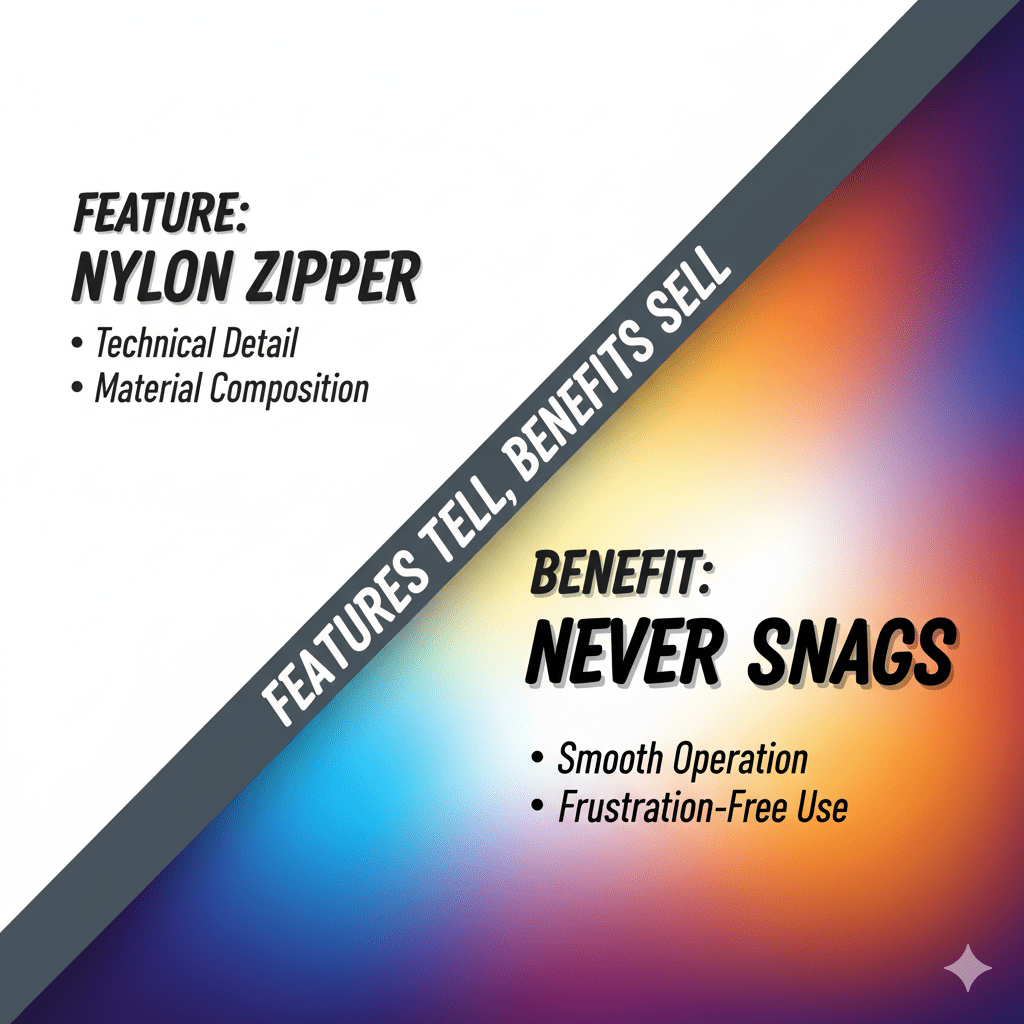
1.1 Features Tell, Benefits Sell: The Golden Rule for How to Write Product Descriptions
This is the most fundamental lesson: customers don’t buy a product for what it is; they buy it for what it does for them. Your description must quickly translate a dry feature into an emotional benefit.
Let’s use a local example:
| Feature (What it Is) | Benefit (What it Does for the Customer) |
| Material: 100% locally sourced cotton with a 300 thread count. | Benefit: You’ll sleep soundly through the next bout of loadshedding, wrapped in comfort that feels like a five-star hotel. |
| Feature: Lightweight design, weighs 1.5 kilograms. | Benefit: Throw it in your bakkie without a second thought; this product won’t slow down your weekend adventure! |
Consequently, every time you list a feature, immediately follow it with the emotional payoff, often starting with words like So you can, Which means, or Imagine. This simple technique is the foundation of how to write product descriptions that convert.
1.2 Know Your Buyer: The Mzansi Persona for How to Write Product Descriptions
Who are you talking to? In South Africa, your tone and language need to be relevant. Are you speaking to a Cape Town surfer, a Joburg executive, a KZN family, or a student in Pretoria? Your persona determines your language.
- Cape Town: Use terms associated with quality, aesthetics, and eco-consciousness.
- Joburg: Focus on speed, efficiency, status, and power.
- KZN: Emphasise family, value, and practicality.
Furthermore, identifying your customer’s pain points (e.g., loadshedding, poor internet access, high fuel costs) allows you to frame your product as the ultimate solution to a uniquely South African problem.
Therefore, your tone should match your buyer. If you’re selling artisanal goods, use evocative, sensory language. If you’re selling accounting software, be concise and data-driven.
Phase 2: The Structure – The 5-Phase Storytelling Formula for How to Write Product Descriptions 📖
A great description is not a paragraph; it is a meticulously crafted narrative designed to lead the customer to a specific action: buying.
2.1 The Magnetic Headline: Hooking Them In When How to Write Product Descriptions
The very first sentence or headline is the most important. It must be compelling and summarise the core benefit immediately.
- Bad Headline: “New Portable Speaker for Sale”
- Good Headline: “Be the Braai Master: Waterproof Speaker with 12-Hour Battery Life”
The second headline doesn’t describe the product; it describes the ideal life the customer gets to live with the product. It instantly connects the speaker to a core South African social ritual—the braai.
Consequently, use action verbs and high-impact adjectives. Your headline must be the final search query the customer was looking for.
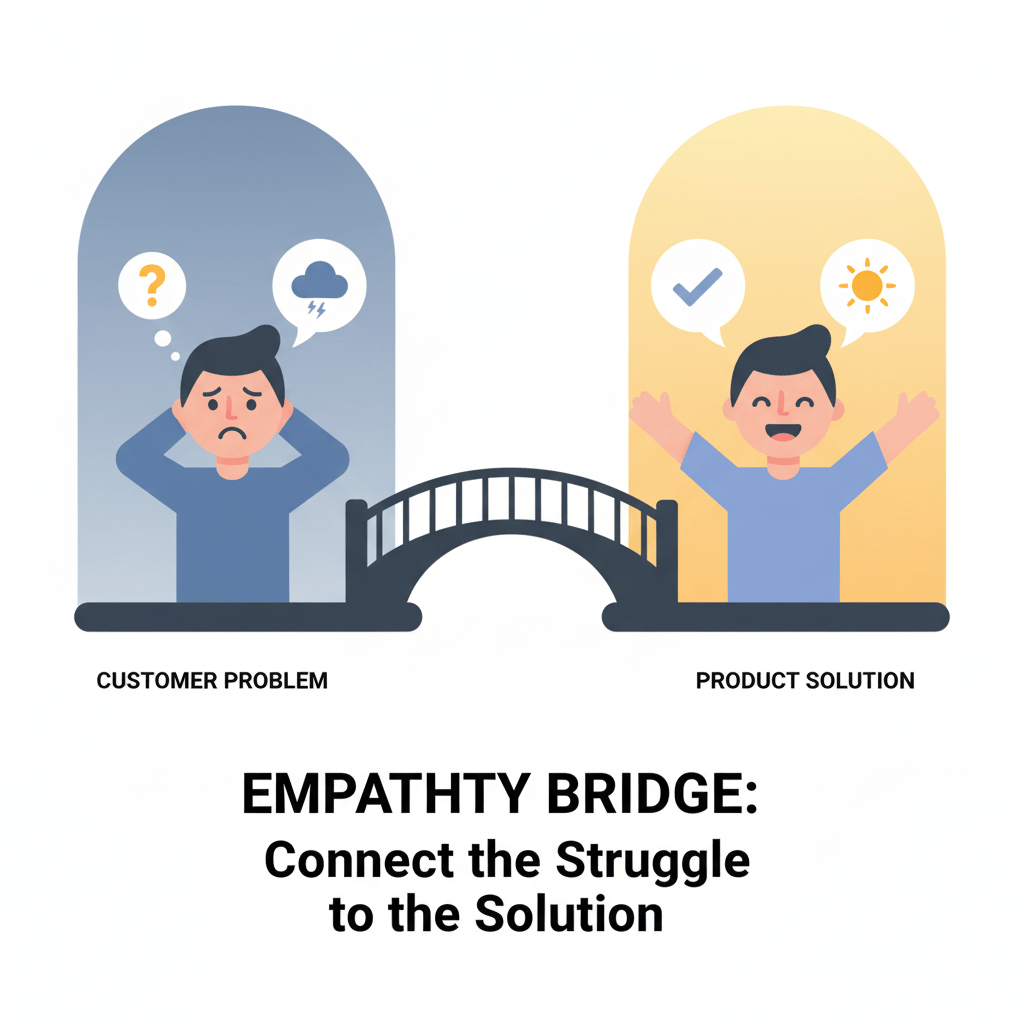
2.2 The Empathy Bridge: Creating a Connection When How to Write Product Descriptions
In the second paragraph, you validate the customer’s struggle. This is the Empathy Bridge.
- Example (selling an air purifier): “Tired of the dust, pollen, and smog that settles over our cities? We know that feeling of battling the hay fever while trying to concentrate.”
Therefore, you show the customer, “I understand your problem.” This builds rapport and trust, making them receptive to your solution (the product).
2.3 The Solution Showcase: Detail & Proof When How to Write Product Descriptions
This is where you finally introduce your product as the hero. Use bullet points for scannability and structure your text for PAA potential.
- Trigger PAA Question: What are the best materials for a durable outdoor chair?
- Your Answer (Bullet Point): Crafted from aerospace-grade aluminium, ensuring it never rusts in humid coastal climates and weighs less than 5 kilograms for easy portability.
Furthermore, include proof. Use objective measurements (500-gram weight, 2-metre cable length) and social proof (Mentioning a 4.9/5-star average rating or 10,000 happy Mzansi customers).
Phase 3: Sensory Language & Localisation – Making the Description Feel Real When How to Write Product Descriptions 👃
Customers can’t touch, smell, or hold your product online. Your words must compensate for this missing sensory experience.
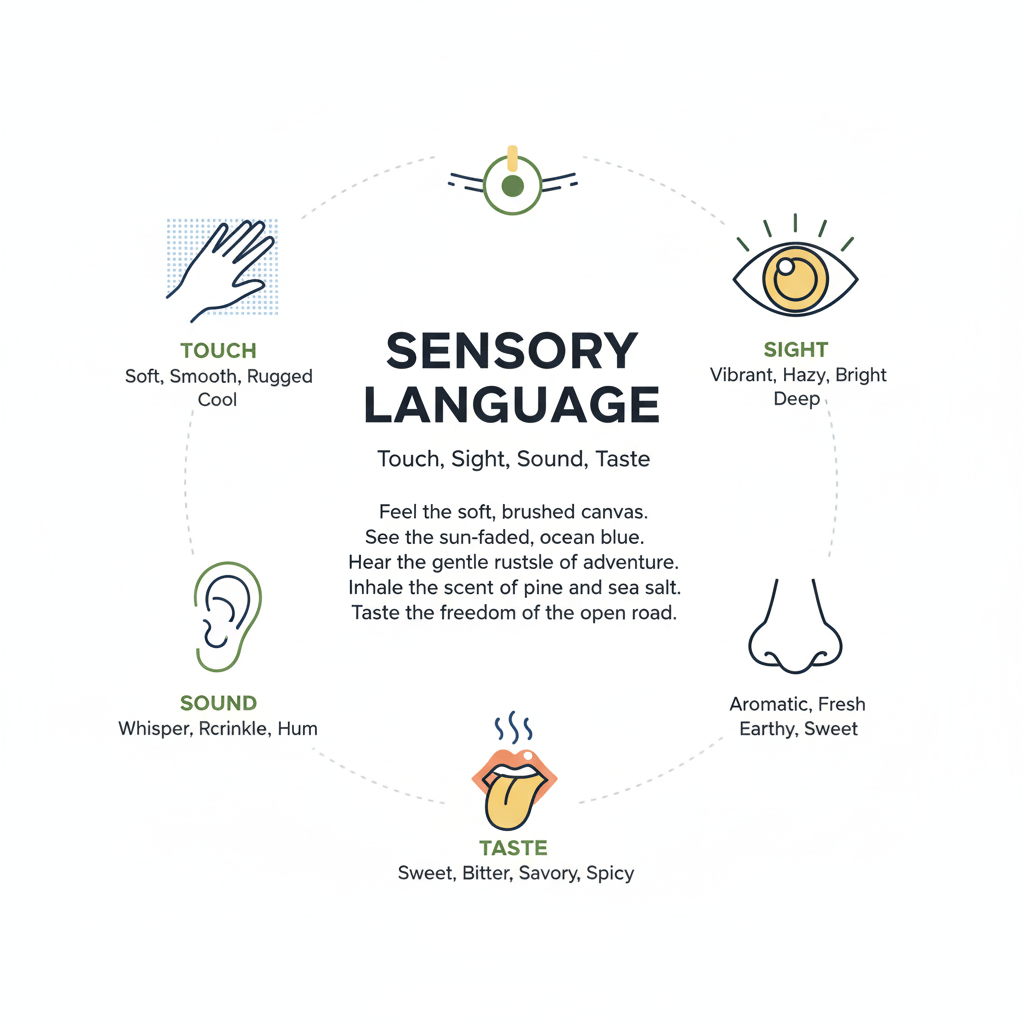
3.1 Writing for the Five Senses: The Art of How to Write Product Descriptions
Use evocative language that engages all five senses, even if the product is purely digital.
| Sense | Focus Word Examples |
| Touch | Velvety, cool, rugged, comforting, silky, feather-light. |
| Sight | Vibrant, matte, minimalist, obsidian black, rich emerald, polished chrome. |
| Sound | Subtle hum, crisp snap, silent operation, deep bass, gentle chime. |
| Taste/Smell | Smoky, earthy, fresh citrus zest, comforting aroma, sweet caramel notes. |
| Movement | Snaps into place, glides effortlessly, locks securely, rotates smoothly. |
Consequently, instead of saying, “It’s a soft blanket,” say, “Snuggle into this velvety-soft throw that feels like a warm hug on a freezing Gauteng winter night.”
3.2 Injecting Local Flavor: Mzansi Magic When How to Write Product Descriptions
Sprinkle in local vocabulary and cultural references where appropriate to create instant rapport. This makes your brand feel authentic and dedicated to the South African market.
- Use words like: Lekker, Braai, Bakkie, Robot (traffic light), Loadshedding, Kasi, Gogo.
- Reference locations: “Perfect for a weekend getaway in the Drakensberg,” or “Durable enough for the dusty roads of Limpopo.”
Furthermore, ensure your units are correct. All units must be in the metric system (centimetres, kilograms, litres, etc.). Never use the imperial system.
Therefore, this cultural resonance helps forge a deeper connection, turning a generic product into one tailored for a South African life.
Phase 4: SEO Power & PAA Structuring – Technical Secrets for How to Write Product Descriptions 🚀
A beautiful description that nobody can find is useless. Your descriptions must be SEO-optimized to appear high in Google’s search results.
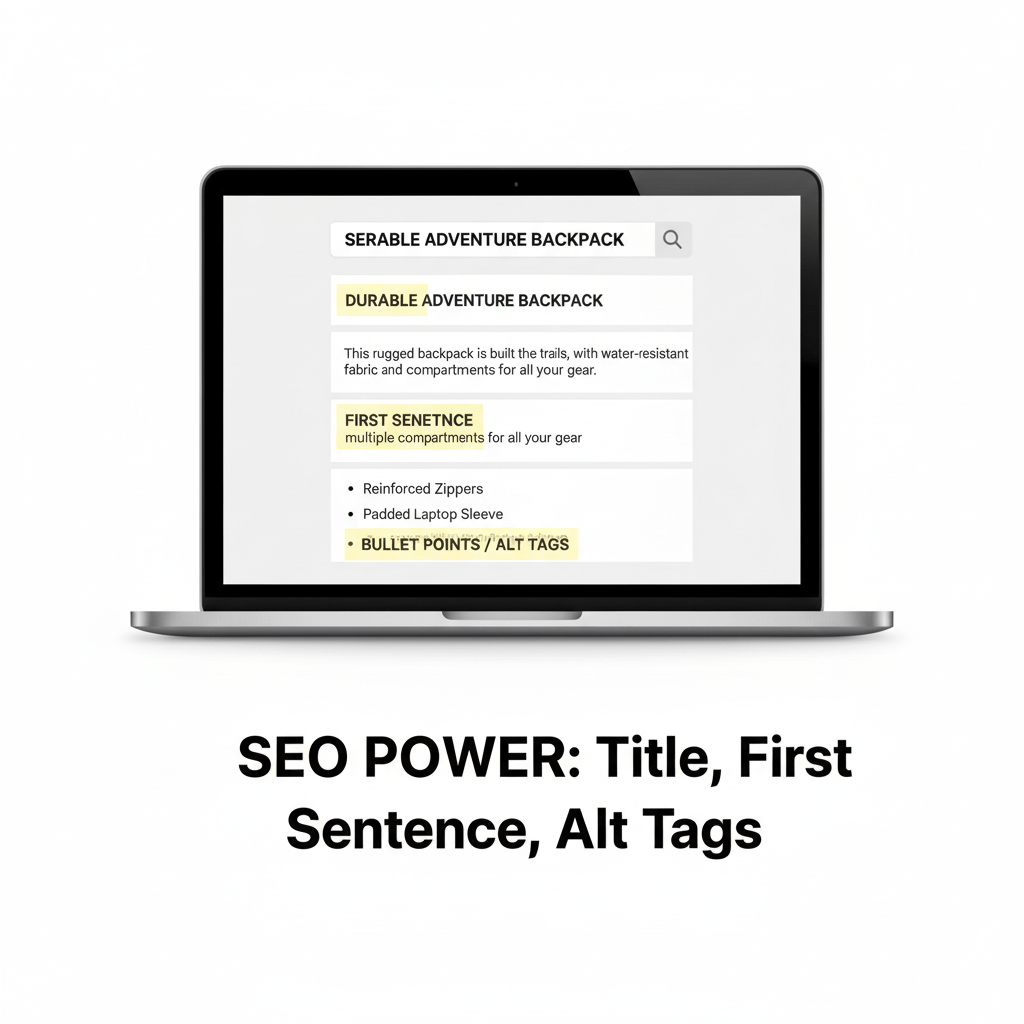
4.1 Focus Keyword Placement: The SEO Blueprint for How to Write Product Descriptions
Your Focus Keyword (How to Write Product Descriptions) is too long for a natural description, but your secondary, shorter keywords are essential.
Critical Keyword Placement:
- Product Title/Name: Use the main product keyword here (e.g., “Lightweight Camping Chair for Outdoor Adventures SA“).
- Meta Description: Google often pulls the first few sentences of your description here. Ensure a high-value keyword is present.
- First 15 Words of the Description: This immediately signals the topic to both Google and the user.
- Alt Tags: You must use descriptive keywords that accurately describe the image, not just for SEO, but for accessibility.
In addition, sprinkle in relevant synonyms and long-tail phrases that Mzansi customers search for (e.g., best durable camping chairs in South Africa, portable furniture for braais).
4.2 PAA Formatting: Capturing Google’s “People Also Ask” When How to Write Product Descriptions
You can structure your description to directly answer common questions users search for, which helps your content appear in Google’s “People Also Ask” (PAA) boxes.
Strategy: Use dedicated H-tags or bolded Q&A sections in your long description.
- Q: Is this water bottle safe for boiling water during loadshedding? (H3/Bolded)
- A: Yes, it is made from Grade-A stainless steel and is rated safe up to $150^\circ\text{C}$, ensuring it is perfectly safe for all hot beverages.
- Q: How long is the delivery time to a regional area in the Free State? (H3/Bolded)
- A: We use premium courier services and estimate delivery to regional Free State areas is 3-4 working days after dispatch.
Therefore, answering these specific user queries increases the chances of your description being featured directly by Google.
Phase 5: The Finishing Touches – Optimisation and Conversion Triggers for How to Write Product Descriptions 🎯
A description isn’t finished until it converts. This final phase focuses on urgency, social proof, and seamless presentation.
5.1 Urgency & Scarcity: Motivating the Click When How to Write Product Descriptions
Why should the customer buy right now? If they can buy it tomorrow, they often will—and then forget.
- Scarcity: “Only 12 units of the Rich Emerald colour left in stock!”
- Urgency: “Sale ends Monday! Save R500 before the price goes back up.”
- Limited Time Offer: “Purchase in the next 30 minutes for same-day dispatch from our Durban warehouse.”
Crucially, make sure these scarcity tactics are genuine. Falsifying stock levels is poor practice and can damage trust.

5.2 Social Proof and Risk Reversal: Sealing the Deal When How to Write Product Descriptions
Once the customer is ready to buy, the last bit of friction is risk. Eliminate this risk with strong social proof and guarantees.
- Social Proof: Integrate snippets of your best customer reviews directly into the product description (e.g., “As Nonhlanhla from Midrand says, ‘The best purchase I made all year!’”).
- Risk Reversal: Boldly state your guarantee. “Not 100% happy? We offer a no-questions-asked 30-day money-back guarantee, and free returns for customers in major metropolitan areas (Cape Town, Joburg, Durban).”
Furthermore, a strong, simple call-to-action (CTA) should finish your description. Avoid wishy-washy language. Use “Add to Cart Now,” “Buy It,” or “Secure Yours Today.”
Essential Tutorial: Mastering Product Description Writing
To help you put these principles into practice, we recommend watching this comprehensive, non-promotional tutorial on persuasive product descriptions:
The Z Web&Co Advantage: Descriptions That Don’t Just Describe, They Deliver 🌐
Knowing how to write product descriptions is just one pillar of e-commerce success. The other pillars are a high-performing website, seamless payment gateways, and targeted digital marketing.
The other pillars are a high-performing website, seamless payment gateways, and targeted digital marketing. To ensure your entire shop is designed to maximize conversion from every word, begin your professional ecommerce store Durban project today. At Z Web&Co, we take the guesswork out of selling online. We don’t just build websites; we create e-commerce engines designed for the South African consumer, ensuring your product descriptions are perfectly placed, SEO-optimised, and supported by a flawless user experience. We integrate every aspect, from web design to targeted marketing campaigns, so your perfectly crafted descriptions reach the right eyes.
Partner with Z Web&Co and turn your words into conversions.
You can learn more about our services by searching for Z Web&Co on Google, or visit our website at www.zwebandco.com.
Ready to transform your sales? Call or WhatsApp us on 061 504 7939 (which is also our WhatsApp number) or email us at zwebandco@gmail.com.

Conclusion: Your Product Description Masterpiece is Complete
You now possess the complete, 5-phase strategic framework for mastering how to write product descriptions. You understand that your description must function as a salesperson, psychologist, and SEO expert, all in one.
To summarise:
- Phase 1 (Mind Shift): Focus on Benefits, not features. Address the Mzansi pain points.
- Phase 2 (Structure): Follow the 5-Phase Narrative (Headline, Empathy, Solution, Proof).
- Phase 3 (Sensory): Engage all five senses and inject local “Lekker” flavour.
- Phase 4 (SEO): Strategically place keywords and structure content for PAA visibility.
- Phase 5 (Triggers): Use urgency, scarcity, and social proof to eliminate risk and drive the final click.
Go write that golden description, Mzansi entrepreneur, and watch your sales soar!


Leave a Reply