
It’s an electric time to be an entrepreneur in Mzansi. The digital economy is booming, and the possibilities for launching a thriving online business are endless. However, rushing into the e-commerce space without a solid map is like driving a bakkie from Cape Town to Joburg with no fuel gauge—it’s a recipe for disaster. That’s precisely why you need the ultimate E-commerce Business Plan South Africa checklist. This isn’t just a document for the bank; it’s your tactical guide, your foundational blueprint, and your sanity check.
Consequently, we’ve put together a fun, engaging, and comprehensive guide that breaks down the entire process into six manageable phases. Moreover, we’ve tailored this plan specifically for the unique landscape of South Africa, addressing everything from local payment methods like EFT to navigating courier logistics in the urban and peri-urban areas. Therefore, if you’re serious about turning your online dream into a profitable reality in 2025 and beyond, buckle up and prepare to tick every box on this list.
Phase 1: Market & Niche Strategy for Your E-commerce Business Plan South Africa
The first step in any successful venture, especially in the vibrant but competitive South African market, is establishing who you are, what you sell, and who you sell it to. This phase is about doing the groundwork and confirming that your brilliant idea actually has legs. Ultimately, this section will form the backbone of your E-commerce Business Plan South Africa executive summary.
🎯 Defining the Customer in your E-commerce Business Plan South Africa
First and foremost, you must know your customer better than they know themselves. In South Africa, demographics are highly diverse, which means a blanket approach simply won’t cut it. Therefore, your business plan must contain a detailed profile of your Ideal Customer Persona—we call this the ‘A-list Shopper.’
What to Checklist:
- Demographics: Age (e.g., 25–35), location (e.g., suburban Cape Town vs. rural Eastern Cape), and income level.
- Psychographics: What are their values? What are their hobbies? Are they tech-savvy or just starting out with online shopping?
- Tech Access: Do they primarily shop on a desktop, a smartphone, or a feature phone? This is critical for mobile-first Mzansi.
- Shopping Behaviour: Are they deal hunters (waiting for Black Friday sales) or convenience seekers (willing to pay for speed)?
- The Pain Point: What genuine problem does your product solve for them? For instance, if you sell reusable shopping bags, the pain point might be the environmental guilt or the cost of single-use bags.
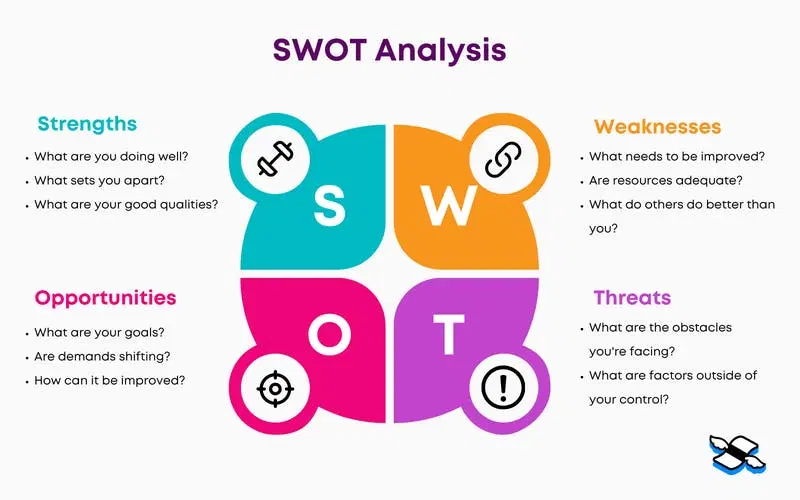
Furthermore, a well-defined niche is vital. Instead of just selling “shoes,” sell “ethically sourced, vegan leather vellies for young urban professionals in Sandton.” See the difference? The narrower the focus, the easier it is to dominate. Consequently, include a full SWOT analysis (Strengths, Weaknesses, Opportunities, Threats) that is specific to your niche within South Africa. Look closely at local competitors like Takealot, Makro, and smaller boutique stores, and figure out how you’ll offer something they simply can’t. This clarity is non-negotiable for a strong E-commerce Business Plan South Africa.
In addition, conducting a rigorous analysis of your own strengths and weaknesses relative to the market is paramount. Understanding your competitive edge—perhaps faster local shipping times or a unique social mission—will dictate your marketing message.
Phase 2: Mastering the Financials in your E-commerce Business Plan South Africa
Let’s be honest, talking money isn’t always fun, but it’s the most important part of your E-commerce Business Plan South Africa. Without a crystal-clear financial map, the whole operation runs the risk of hitting a financial pothole. This section requires brutal honesty and meticulous calculation.
💰 Calculating Startup Costs in your E-commerce Business Plan South Africa
Indeed, the beauty of e-commerce is the lower overhead compared to a traditional brick-and-mortar store, but costs still exist. Nevertheless, you must account for every Rand.
What to Checklist:
- Product Sourcing/Manufacturing: The cost per unit, minimum order quantities (MOQ), and shipping fees from suppliers (often international, so factor in currency fluctuation—a major consideration for any E-commerce Business Plan South Africa).
- Web Development & Design: This includes the cost of your domain name (e.g.,
.co.za), hosting, the platform subscription (Shopify/WooCommerce), and professional design services. - Initial Inventory: The capital required to buy your first batch of stock.
- Operating Capital (The Float): Money set aside to cover costs like rent, utilities, staff salaries, and marketing before you make your first sale (we recommend a 6-month float).
- Legal & Insurance: Registration fees, trademark costs, and business insurance.

In addition to the initial costs, you must define your pricing model. Calculate your Cost of Goods Sold (COGS), then add the necessary margins to cover marketing, labour, and, crucially, profit. Furthermore, determine your Break-Even Point—the number of units you need to sell or the total revenue you need to generate to cover all your costs. This figure will be the benchmark against which all your sales targets are measured.
For example, if your COGS for a custom T-shirt is R150, and your overhead (per-unit equivalent) is R50, your minimum sale price should be R200. Anything below that is selling at a loss. Consequently, you need to ensure your projected sales volume is realistic enough to reach that break-even point within the first 6 to 12 months. This thorough financial planning showcases a mature approach to your E-commerce Business Plan South Africa.
Phase 3: The Digital Ecosystem of your E-commerce Business Plan South Africa
This is where the rubber hits the digital road. The platform you choose, the design you implement, and the payment options you offer can make or break a South African shopper’s experience. Therefore, this phase of your E-commerce Business Plan South Africa is about ensuring your online store is robust, fast, and trustworthy.
💻 Choosing the Right Platform for your E-commerce Business Plan South Africa
Certainly, the choice between platforms like Shopify, WooCommerce, or even local specialists will depend on your budget and technical skill level.
What to Checklist:
- Platform Choice: Select a platform and justify why it aligns with your budget and scalability goals (e.g., WooCommerce for ultimate customisation, Shopify for simplicity and speed).
- Design & User Experience (UX): A sleek, mobile-friendly design is non-negotiable. The majority of traffic in South Africa is mobile, so your site must look flawless on a smartphone.
- Payment Gateways (A local must-have!): You must include popular local options. While Visa/Mastercard are standard, ensure you support EFT/Instant EFT via services like PayFast, PayGate, or Ozow. Offering payment via Mobicred or other credit options is also a powerful conversion booster.
- Security: Outline your plan for SSL certification, PCI compliance, and data protection (POPIA compliance is a legal necessity in Mzansi!).
- Content Management: Plan for high-quality product photography and engaging, descriptive copy.

Importantly, if the idea of building, designing, and integrating these systems feels overwhelming, remember that specialist help is available. Our company, Z Web&Co, creates professional websites, powerful e-commerce stores, and handles all types of marketing. As a result, many entrepreneurs choose to partner with us to ensure their digital foundations are rock solid from day one. If you’d like to see some of our work, you can search for Z Web&Co on Google. Our goal is to make sure your E-commerce Business Plan South Africa doesn’t just look good on paper but performs brilliantly online.
Phase 4: Logistics & Fulfilment in your E-commerce Business Plan South Africa
Ah, logistics—the silent killer of many an e-commerce dream. The cost, speed, and reliability of getting a product from your shelf to the customer’s door are arguably more critical in South Africa than anywhere else. Consequently, this section of your E-commerce Business Plan South Africa needs to be detailed, realistic, and contingency-rich.
📦 Navigating Local Shipping Challenges in your E-commerce Business Plan South Africa
Ultimately, your customer cares most about when their parcel arrives and how much they paid for shipping. Getting this wrong leads to abandoned carts and bad reviews.
What to Checklist:
- Fulfilment Model: Are you dropshipping, warehousing the product yourself, or using a 3PL (Third-Party Logistics) provider? Define the operational flow from order placement to dispatch.
- Courier Strategy: Partner with reliable local couriers (e.g., The Courier Guy, Dawn Wing, PostNet) and clearly detail the negotiated rates. Include a cost matrix for different weight classes (e.g., parcels up to 5 kg, 10 kg, etc.) and major areas (local, regional, national).
- Shipping Costs to Customer: Will you offer free shipping (and absorb the cost), use a flat rate, or calculate live rates? For instance, free shipping for orders over R700 is a powerful incentive, but you must factor that R700 into your pricing (see Phase 2!).
- Packaging & Branding: Detail your packaging process. How will you protect the product? How will you brand the unboxing experience? Remember, a well-branded box is a mini-billboard.
- Returns Policy: Define a clear, easy-to-understand returns and exchange process (statutory requirements apply under the CPA).

Furthermore, a key challenge in South Africa is the need for precise delivery instructions (especially for complexes or non-standard addresses). Your plan should include a protocol for contacting the customer to confirm delivery details, which is a great touch point for customer service. In conclusion, robust logistics planning will safeguard your reputation and customer loyalty, cementing the feasibility of your E-commerce Business Plan South Africa.
Phase 5: Marketing & Sales Funnel in your E-commerce Business Plan South Africa
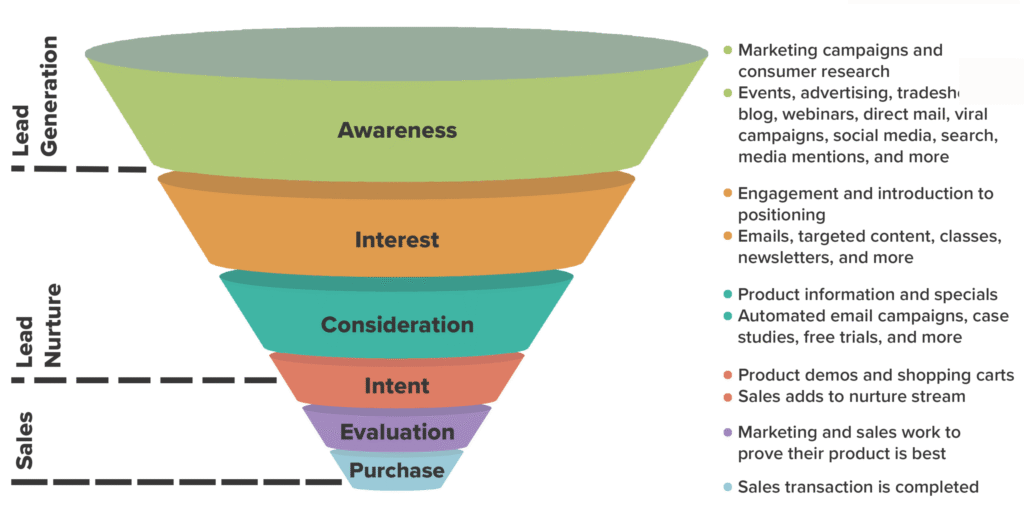
You can have the best product in the world, but if nobody knows it exists, you might as well be running a secret shop. Therefore, the marketing plan is your roadmap for driving traffic, converting shoppers, and retaining customers. Indeed, this is where the fun really begins!
📣 Building an SEO Strategy in your E-commerce Business Plan South Africa
Crucially, your sales strategy needs to be multi-layered, focusing on both paid advertising (quick wins) and organic growth (long-term sustainability).
What to Checklist:
- Executive Summary: A one-paragraph summary of your marketing philosophy (e.g., “We will focus on a 60% paid, 40% organic mix in Year 1, transitioning to a 30/70 mix by Year 3”).
- SEO Strategy: Detail the target long-tail keywords for your products and category pages (e.g., “handmade leather sandals South Africa”). Outline a content creation schedule (e.g., 2 blog posts per month) to drive organic traffic.
- Paid Advertising: Which platforms will you use? Google Ads (Search/Shopping), Facebook, or Instagram? Define an initial monthly budget (e.g., R5,000) and the target ROAS (Return on Ad Spend).
- Email Marketing: Plan a strategy for capturing emails (e.g., 10% off the first order) and an automated sequence for welcome emails, abandoned carts, and post-purchase follow-ups.
- Social Media: Define your primary channels and content pillars. For instance, use Instagram for visual brand building and TikTok for fun, short-form product demos.
Moreover, remember that local influencers can be incredibly effective in South Africa. Outline a plan to partner with micro-influencers who resonate with your specific market demographic. A local voice adds instant credibility. In short, a well-defined, multi-channel approach is necessary for any high-performing E-commerce Business Plan South Africa.
To further assist your planning, watch this video on writing a concise, effective business plan:
Phase 6: Legal and Compliance Check for your E-commerce Business Plan South Africa
This section is often overlooked, but it is absolutely essential to protect your business, your customers, and yourself. Consequently, you must ensure that your E-commerce Business Plan South Africa clearly demonstrates adherence to all national laws.
⚖️ Understanding South African E-commerce Regulations in your E-commerce Business Plan South Africa
Specifically, the South African legal landscape has two key pieces of legislation you must understand: the Consumer Protection Act (CPA) and the Protection of Personal Information Act (POPIA).
What to Checklist:
- Business Registration: Detail your chosen legal entity (e.g., Sole Proprietor, PTY LTD) and registration with CIPC and SARS (Tax).
- Terms and Conditions (T&Cs): Ensure you have legally sound T&Cs covering sales, shipping, and dispute resolution.
- Privacy Policy (POPIA Compliance): This is mandatory! Detail exactly how you collect, store, and use customer data, and how customers can request their data be deleted.
- CPA Compliance (Returns): Your returns policy must align with the CPA, particularly regarding the return of goods sold online (often including a cooling-off period).
- Payment Security: As mentioned, PCI compliance for payment processing is critical.

Therefore, securing sound legal counsel early on is not an expense—it’s an insurance policy. Hence, ensuring this paperwork is correct from day one means you can scale without fear of hefty fines or legal setbacks. A bulletproof E-commerce Business Plan South Africa shows potential investors and partners that you are a responsible, compliant business.
Conclusion: Turning Your Plan into Profit
If you’ve completed this comprehensive checklist, you haven’t just written a document—you’ve built a strategic fortress for your digital business. Furthermore, you’ve created a live guide that will inform every decision, every marketing campaign, and every growth opportunity over the next few years. In conclusion, the E-commerce Business Plan South Africa you’ve crafted is the most important document in your entrepreneurial arsenal.
Naturally, the next step is implementation. That’s where specialists come in. If you need assistance turning your robust plan into a high-converting e-commerce store or require expert marketing to execute your sales strategy, Z Web&Co is here to help. We specialise in creating dynamic websites, powerful e-commerce stores, and comprehensive digital marketing solutions.
Ready to launch? Get in touch with us directly on 061 504 7939 (which is also our WhatsApp number) or send an email to zwebandco@gmail.com. Our website is www.zwebandco.com. We look forward to partnering with you on your e-commerce journey in Mzansi!
Leave a Reply