
Have you ever dreamt of selling your amazing products beyond your neighbourhood, reaching customers from Cape Town to Polokwane? If you are asking how to start an online store in South Africa, the answer is: it’s entirely achievable! Imagine your passion project, your unique craft, or your brilliant service available to thousands of eager buyers with just a few clicks. Well, guess what? It’s not just a dream anymore – it’s entirely achievable!
Learning how to start an online store in South Africa is one of the most exciting and empowering steps an entrepreneur can take. Forget the overheads of a physical shop, the crazy rental prices, and the limited reach. With an online store, the whole country (and potentially beyond!) becomes your marketplace. And don’t worry, we’re going to break it down into easy, fun steps, specifically for the vibrant and dynamic South African market. So grab your favourite beverage, get comfy, and let’s unlock the digital doors to your future success!
Section 1: Why Go Online in South Africa? The Power of E-commerce
The South African e-commerce landscape is booming! More and more consumers are embracing online shopping for convenience, variety, and competitive pricing. For businesses, this means:
- Wider Reach: Sell across all provinces – Gauteng, Western Cape, KZN – without needing multiple physical branches.
- Lower Overheads: Reduce or eliminate rental costs, utilities, and extensive staff required for a brick-and-mortar store.
- 24/7 Operation: Your online shop never sleeps! Customers can browse and buy any time, day or night.
- Scalability: It’s easier to expand your product range or handle increased demand digitally.
- Data Insights: Track customer behaviour, sales trends, and marketing effectiveness with powerful analytics.
Therefore, if you’ve been wondering “is now the right time to launch an online business in South Africa?”, the answer is a resounding YES!
Section 2: The Groundwork – What You Need Before You Build Your Digital Shop
Before you even think about picking colours for your website, there are a few crucial decisions to make. This is the foundation upon which your successful online store will be built.
Step 1: What Are You Selling? – Niche Down Your Product or Service
This might seem obvious, but a clear product offering is key.
- Physical Products: Handmade crafts, fashion, electronics, gourmet food, health supplements – the possibilities are endless!
- Digital Products: E-books, online courses, software, digital art, music.
- Services: Consulting, coaching, virtual assistance, design services.
Pro Tip: Don’t try to be everything to everyone. Find your niche! Furthermore, instead of “sell clothes,” think “sustainable, locally-made fashion for professional women in their 30s living in Johannesburg.” This helps you target your marketing and stand out.
Step 2: Who’s Buying? – Defining Your Ideal South African Customer
Just like with any business, knowing your customer is paramount. You need to know how to start an online store in South Africa that speaks directly to their needs.
- Demographics: Age, income level, location (are they in urban hubs like Pretoria and Durban, or rural areas?), internet access, preferred language.
- Psychographics: What are their interests, values, pain points? What problem does your product solve for them? What are their online shopping habits?
- Competition: Who else is selling similar products in South Africa, and how can you differentiate yourself?
Creating buyer personas (e.g., “Sipho the Student,” “Thandi the Township Entrepreneur”) will guide all your decisions on how to start an online store effectively.

Step 3: Sourcing Your Products (The “Where Do I Get My Stuff?” Question)
Once you know what you’re selling, how will you get it?
- Create Your Own: Handmade items, custom designs, unique intellectual property.
- Wholesale: Buy products in bulk from manufacturers or distributors.
- Dropshipping: A popular method where you sell products online but never actually hold the inventory. However, when a customer buys, you order from a third party who ships directly to them. This is great for low startup costs but requires careful supplier selection.
- Manufacturing: If you’re designing something new, you’ll need to find a manufacturer.
Pro Tip for SA: Look for local suppliers where possible. This can reduce shipping costs, support local industries, and appeal to customers who prioritise “Proudly South African” goods.
Section 3: Building Your Digital Shopfront – Platforms and Design
This is where the magic happens – transforming your product ideas into a functional, attractive online store.
Step 4: Choosing Your E-commerce Platform – The Digital Foundation
This is one of the biggest decisions when you learn how to start an online store in South Africa. The platform you choose will impact ease of use, features, scalability, and cost.
- Shopify: Extremely popular globally and in SA. User-friendly, lots of apps, great for beginners and growing businesses. Comes with a monthly fee.
- WooCommerce (WordPress Plugin): If you already have a WordPress website, WooCommerce turns it into a powerful e-commerce store. More flexible but requires a bit more technical know-how.
- Local SA Platforms: Consider platforms like PayFast (payment gateway, not a full store builder) and uAfrica (shipping). While not full builders, they integrate with major platforms and are essential for local operations.
- Custom Builds: For unique requirements, a custom-built solution might be necessary, offering ultimate flexibility but at a higher cost.

🔥 Promotion Alert: Navigating e-commerce platforms and technical setups can be daunting. Z Web&Co specializes in building stunning, user-friendly e-commerce stores on platforms like Shopify and WooCommerce. We handle the technical heavy lifting, so you can focus on your products. From secure payment gateways (PayFast, Ozow) to local shipping integrations, we ensure your online store is perfectly tailored for the South African market. To bypass the technical hurdles and launch a high-performance digital asset, begin your expert ecommerce store Durban project today. Your online store is your brand’s face.
Step 5: Designing Your Store – First Impressions Count!
Your online store is your brand’s face. It needs to be appealing, easy to navigate, and professional.
- User Experience (UX): Is it easy for customers to find products, add to cart, and check out? A clunky experience leads to abandoned carts.
- Visual Appeal: High-quality product photos are non-negotiable! Use consistent branding (logos, colours, fonts).
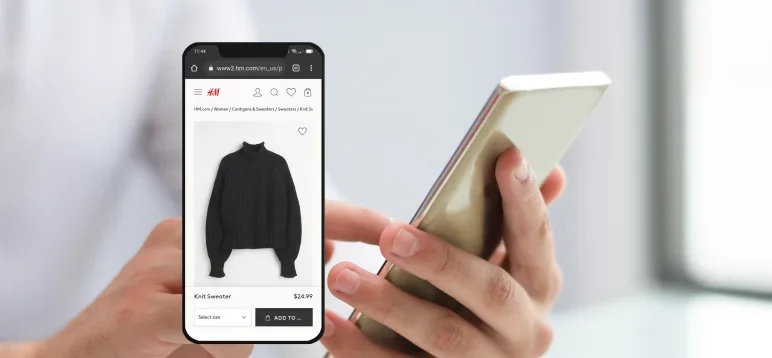
- Mobile Responsiveness: A HUGE factor in South Africa. Generally, most people browse and shop on their phones. Your store must look and function perfectly on mobile devices.
- Key Pages: Ensure you have an “About Us” page, “Contact Us,” “FAQ,” “Shipping Policy,” and “Returns Policy.” Transparency builds trust.
Section 4: The Essentials – Making Your Online Store Work in South Africa
Once the design is done, you need to set up the practical aspects that make your online store actually function and get products to customers.
Step 6: Payment Gateways – Getting Paid in Rands!
How will your customers pay you? This is vital for any online store in South Africa.
- Local Payment Gateways: Prioritise options like PayFast, Ozow, Yoco, and Peach Payments. These offer various payment methods (EFT, credit/debit cards, Mobicred, Masterpass) that South Africans trust and use.
- International Options (Optional): PayPal is globally recognized but less common for local ZA transactions.
- Security: Ensure your payment gateway is secure and your site has an SSL certificate (Z Web&Co ensures this for all our builds!).
Step 7: Shipping & Logistics – Delivering the Goods Across Mzansi
This is often the trickiest part of how to start an online store in South Africa.
- Courier Services: Partner with reliable local courier companies. Look at options like The Courier Guy, Aramex, Dawn Wing, PostNet, or aggregators like uAfrica that integrate multiple couriers.
- Shipping Rates: Decide on your shipping strategy:
- Flat rate shipping
- Calculated rates (based on weight, dimensions, destination)
- Free shipping (often built into product price)
- Local pickup options (if you have a physical presence).
- Packaging: Protect your products! Consider branded packaging for a professional touch.
- Tracking: Provide customers with tracking numbers so they can follow their orders.

Step 8: Legal Stuff – Keeping It Legitimate in SA
Don’t skip these important steps!
- Business Registration: Register your business with CIPC.
- Tax (SARS): Register for VAT if applicable.
- Consumer Protection Act (CPA): Understand your obligations regarding product quality, returns, and fair marketing practices.
- Privacy Policy: Essential for POPIA compliance. Inform customers how you collect and use their data.
Question for PAA: What legal requirements are there for starting an online store in South Africa? Key legal requirements include CIPC business registration, SARS tax registration (especially for VAT), compliance with the Consumer Protection Act (CPA) regarding product quality and returns, and a POPIA-compliant privacy policy to protect customer data.
Section 5: Getting Found & Growing Your Online Store (The Marketing Magic!)
You’ve built it, now how do you get customers to find it and make purchases? This is where strategic marketing comes in.
Step 9: Digital Marketing – Your Online Store’s Lifeline
This is absolutely crucial for any online store in South Africa.
- Search Engine Optimisation (SEO): Make sure your store appears high in Google search results. This involves using relevant keywords (e.g., “handmade leather bags Cape Town,” “organic baby clothes South Africa”) in product descriptions, blog posts, and website content. Z Web&Co provides expert SEO services to get your online store noticed!
- Social Media Marketing: Use platforms like Instagram, Facebook, and TikTok (especially for visual products) to showcase your products, engage with customers, and drive traffic to your store. WhatsApp Business is also a powerful tool in SA for direct customer communication and sales.
- Paid Advertising: Google Ads and social media ads can quickly get your products in front of a targeted audience.
- Email Marketing: Build an email list and use it to send promotions, new product announcements, and exclusive deals.
- Content Marketing: Create blog posts (like this one!), videos, and guides related to your products or niche to attract and inform potential customers.

Question for PAA: How can I market my new online store to South African customers? Effective marketing for a new online store in South Africa involves a multi-channel approach: strong Local SEO, active Social Media Marketing (especially on Facebook, Instagram, and WhatsApp), targeted Paid Advertising (Google and social media ads), and building an engaged Email List for promotions.
Step 10: Customer Service & Retention – Keep ‘Em Coming Back!
Happy customers are repeat customers, and they’ll tell their friends!
- Responsive Support: Be quick to answer queries via email, phone, or WhatsApp.
- Clear Policies: Make your shipping, returns, and refund policies easy to find and understand.
- Feedback: Ask for reviews and testimonials. They build trust!
- Loyalty Programs: Reward your best customers to encourage repeat purchases.

Watch This Video for a Deeper Dive into E-commerce Fundamentals
Here’s a great, non-promotional video that provides a solid overview of starting an e-commerce business, which can complement this guide:
Section 6: Launching and Growing Your South African Online Store
You’ve done the hard work, now it’s time to launch and nurture your digital baby!
Step 11: The Grand Opening!
- Soft Launch: Consider a soft launch to a small group for feedback before a big public announcement.
- Promotional Launch: Offer launch discounts, run a social media contest, or collaborate with a local influencer to create buzz.
Step 12: Analyze, Adapt, and Scale
The online world is constantly changing.
- Monitor Analytics: Regularly check your website traffic, sales conversions, and customer behaviour.
- A/B Testing: Experiment with different product images, descriptions, or ad copy to see what performs best.
- Expand: Once successful, consider expanding your product range, exploring new marketing channels, or even venturing into international shipping.


Question for PAA: Is it difficult to manage shipping and logistics for an online store in South Africa? While logistics can be challenging, South Africa has robust courier services (like The Courier Guy and Aramex) and aggregator platforms (like uAfrica) that make managing local shipping and tracking relatively straightforward, allowing you to focus on growing your store.
Ready to Turn Your Online Store Dream into a South African Success Story?
Learning how to start an online store in South Africa can feel like a massive undertaking, but with the right guidance, it’s an incredibly rewarding journey. You’re not just building a shop; you’re building a brand, a community, and a future.
At Z Web&Co, we understand the unique challenges and opportunities of the South African e-commerce landscape. We don’t just build websites; we craft complete online solutions designed for local success.
Whether you need:
- A brand-new, high-converting e-commerce store built from the ground up.
- Expert website design that’s mobile-first and user-friendly.
- Strategic digital marketing to ensure your online store ranks high in South African search results and reaches your ideal customers.
Z Web&Co is your trusted partner. We’ll handle the complexities, so you can focus on your passion.
Don’t let technical hurdles hold you back. Contact Z Web&Co today and let’s get your products online and thriving across South Africa!
Call us: 061 504 7939 (also our WhatsApp number)
Email us: zwebandco@gmail.com
Visit our website: www.zwebandco.com

Leave a Reply